Online

 Home
Home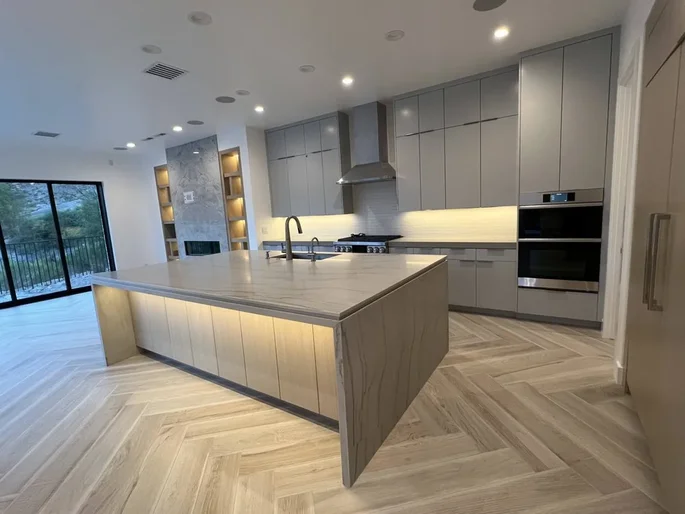

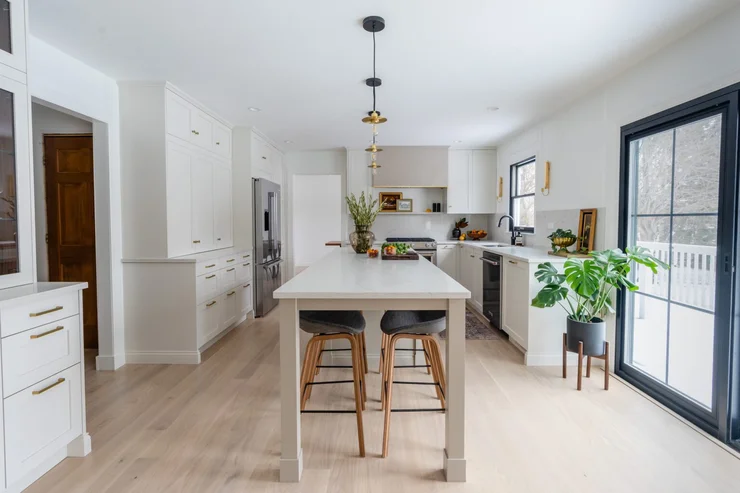
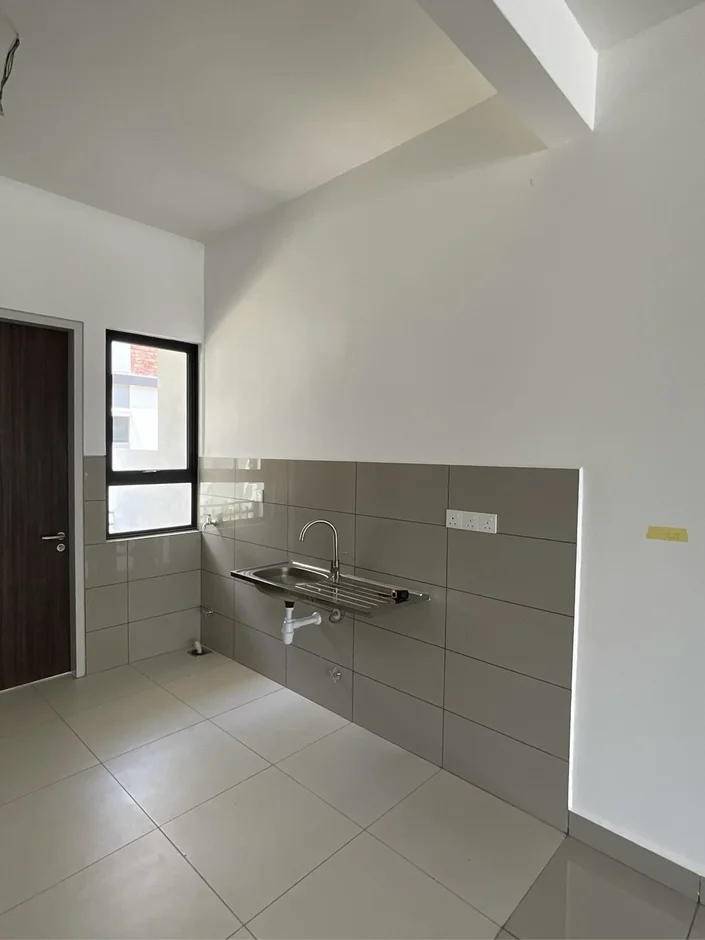
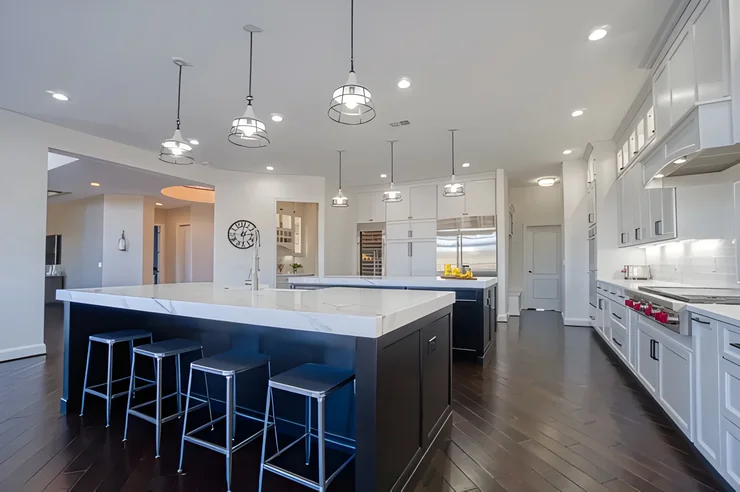

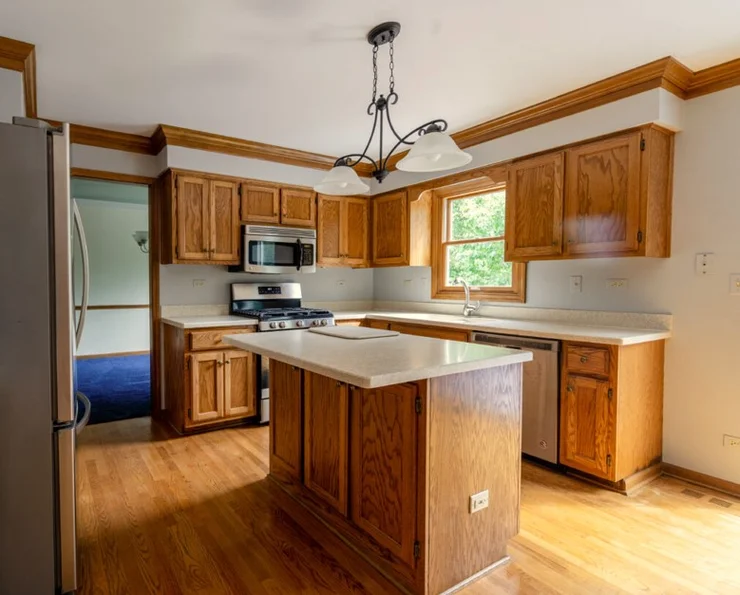
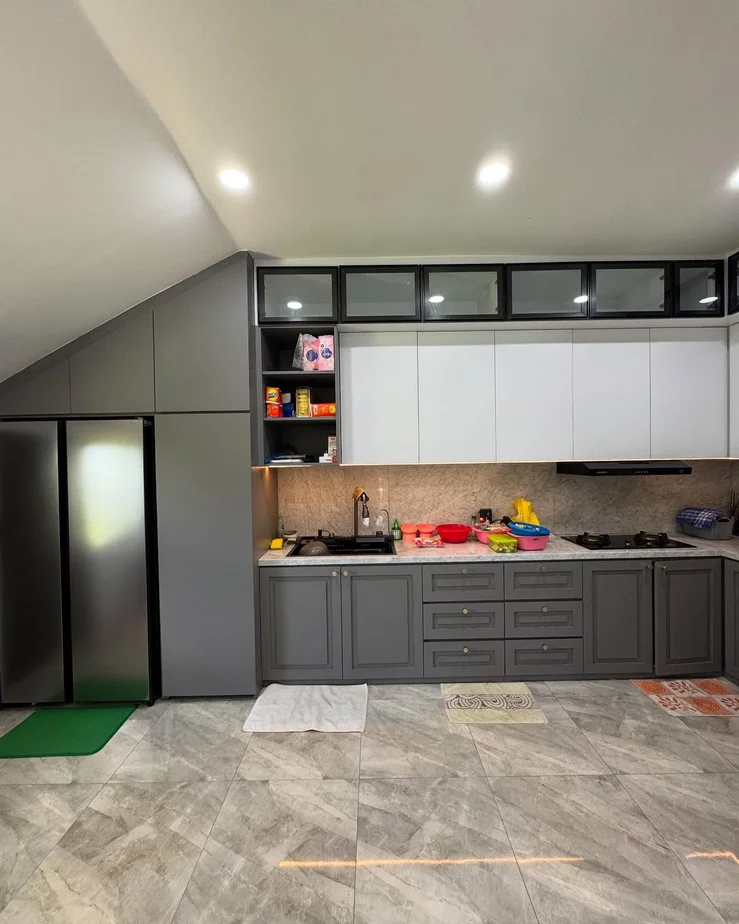
A kitchen remodel usually begins when the space no longer supports the way the home works every day. In some homes, the layout feels closed off or inefficient. In others, storage is limited, surfaces are worn out, or the room no longer fits the way meals, family routines, and day-to-day use have changed over time. That is why kitchen remodeling in Houston is rarely just about replacing visible finishes. The better project usually starts with a clearer look at function, flow, and how much of the kitchen really needs to change.
Some homeowners begin with one obvious issue. Counter space is limited. The cabinets no longer work. The room feels outdated. But once the project is looked at more closely, the real question often becomes broader: should the kitchen be refreshed, partially reworked, or fully remodeled? That distinction matters because different project types come with different planning needs, different cost drivers, and different expectations for the final result.
This page is built for homeowners exploring a meaningful kitchen remodel rather than a minor repair or a quick cosmetic patch. If you are looking into kitchen remodeling Houston because the room needs better usability, stronger organization, a more modern feel, or a layout that supports everyday life more effectively, the most useful first step is understanding the scope. Once the scope is clearer, decisions around materials, storage, lighting, and budget become easier to make.
What a Kitchen Remodel Can Change
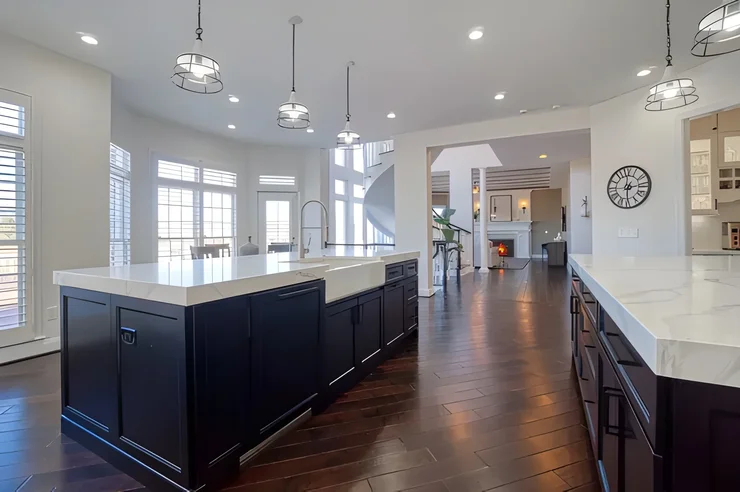
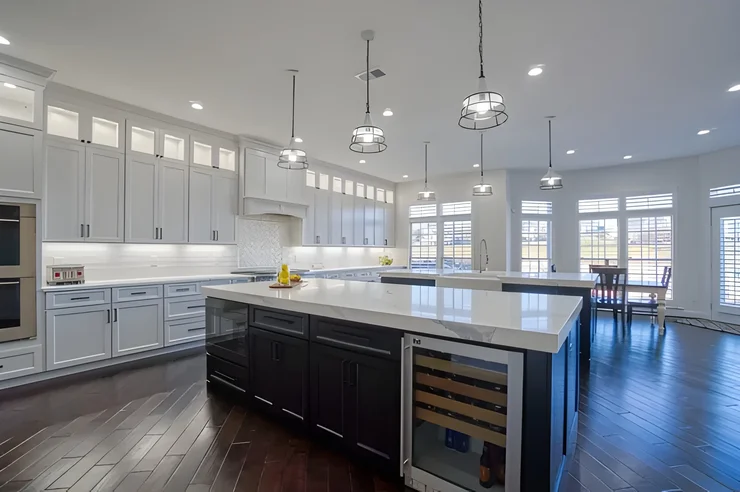
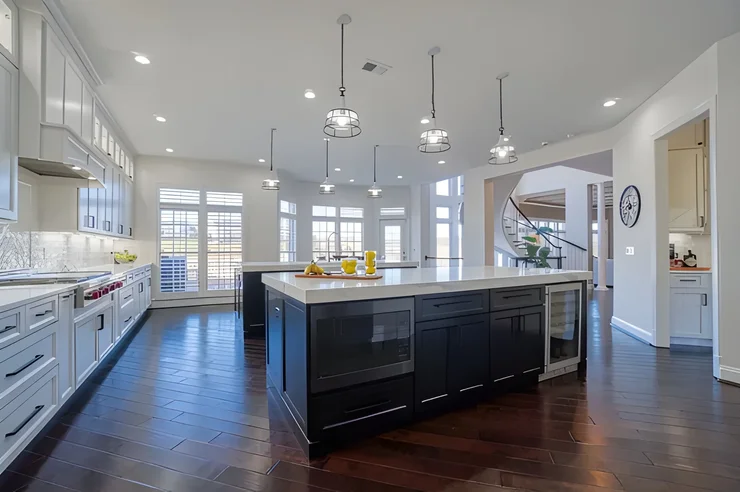
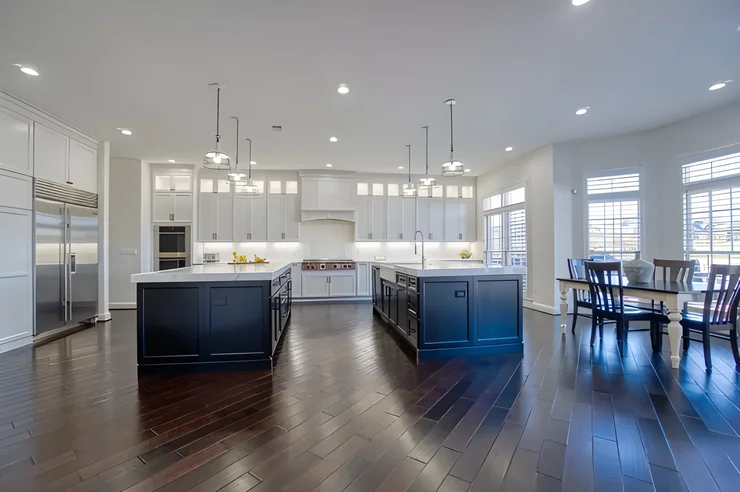
A well-planned kitchen renovation can improve much more than appearance. It can change how the room functions, how people move through it, and how easily it supports cooking, gathering, storage, and daily use. In some homes, the biggest improvement comes from better cabinet layout and more efficient storage. In others, the value comes from opening up the room, improving circulation, or creating a clearer relationship between the kitchen and nearby living areas.
That is why a kitchen remodel should not be treated as one fixed type of project. Some kitchens need targeted updates with smarter finish and fixture decisions. Others need deeper work that changes the way the space operates. When homeowners search for kitchen renovation Houston or kitchen remodel Houston, they are often trying to understand which of those paths makes the most sense for their home. A more useful remodeling process helps answer that question before the project becomes overloaded with disconnected decisions.
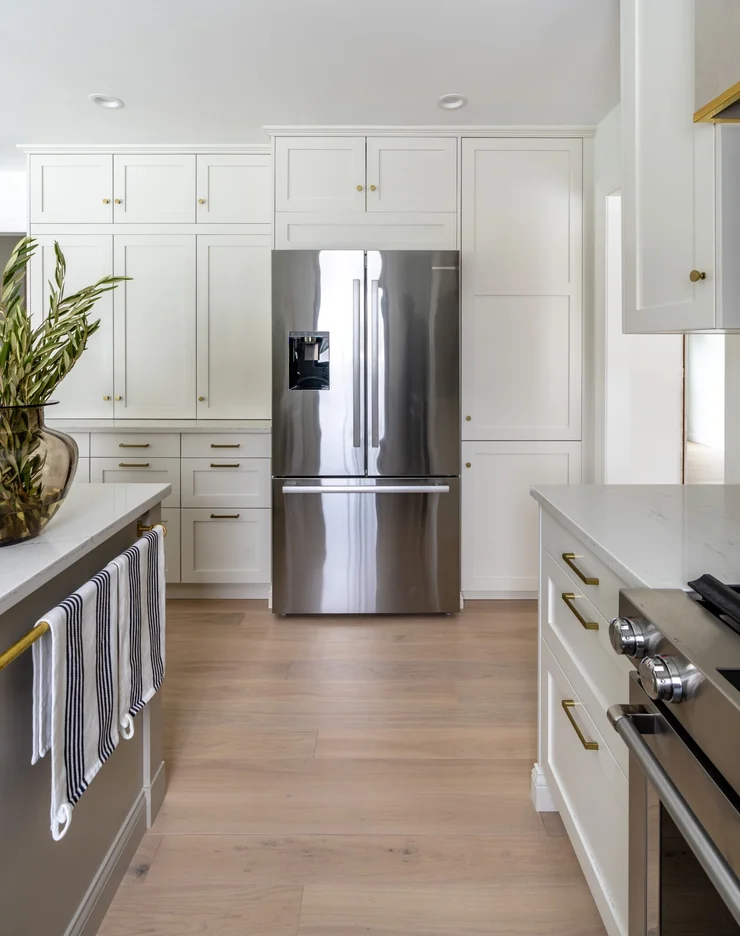
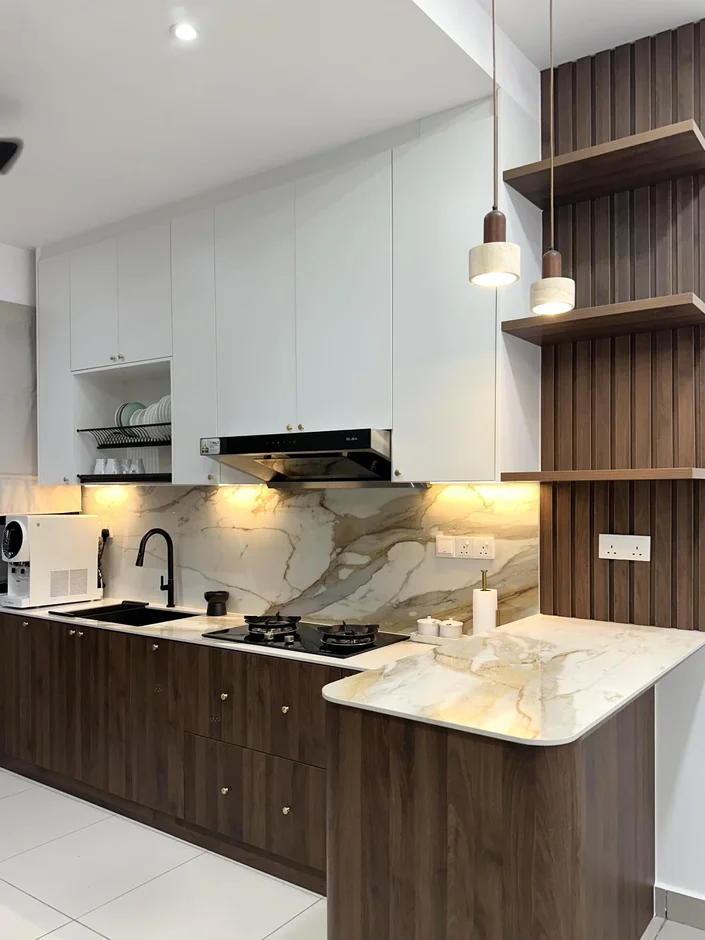
A kitchen that works better usually feels easier to use every day. Storage is more intentional. Surfaces are better organized. Lighting supports both function and comfort. Appliances fit the room more naturally. The layout reduces friction instead of creating it. Those are the kinds of improvements that make a kitchen remodel worth planning carefully.
Not Every Kitchen Project Needs the Same Scope
One of the biggest differences between a successful kitchen remodeling project and a frustrating one is whether the scope is defined properly at the beginning. Some projects are primarily about updating finishes and improving a few practical elements. Others involve more substantial changes to cabinetry, workflow, layout, and how the room connects to the rest of the home. Treating those two project types the same usually leads to poor decisions early on.
That is why our service focuses on helping homeowners think through the real scale of the work. A kitchen can look outdated without needing a full structural rethink. On the other hand, a kitchen can also look acceptable on the surface while still functioning poorly in ways that justify a more complete remodel. The goal is not to push every project into a larger category. The goal is to define the kitchen remodeling path that actually fits the space, the household, and the priorities behind the renovation.
For many homeowners in Houston, the best outcome comes from a project that feels tailored to how the kitchen is used. A cooking-focused household may need better workflow and durable surfaces. A family-oriented kitchen may need more practical circulation, easier cleanup, and better storage. A home with an older layout may need more significant reworking to make the room feel open, connected, and comfortable. Each of those situations leads to a different kind of kitchen remodel.
Common Reasons Homeowners Explore Kitchen Remodeling Houston Projects
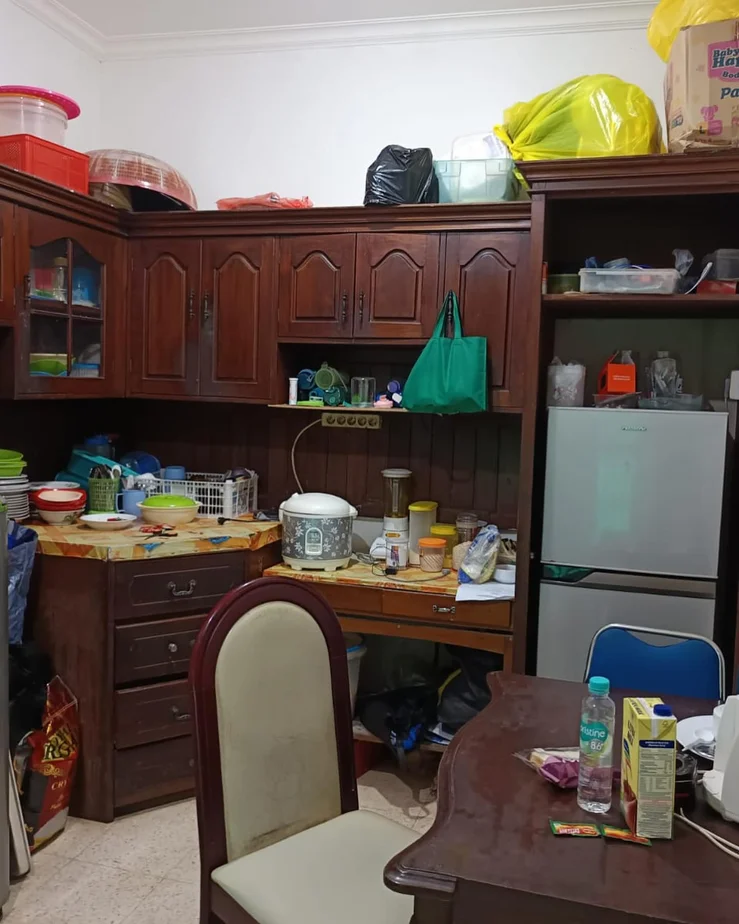
Most kitchen projects start with real everyday frustrations rather than abstract design goals. The room may feel cramped or disconnected. There may not be enough counter space to cook comfortably. Storage may be inefficient, leaving clutter on surfaces and making the kitchen harder to use. Lighting may be poor. The cabinet layout may waste wall space. Appliances may feel awkwardly placed. In older kitchens, several of those issues often show up at once.
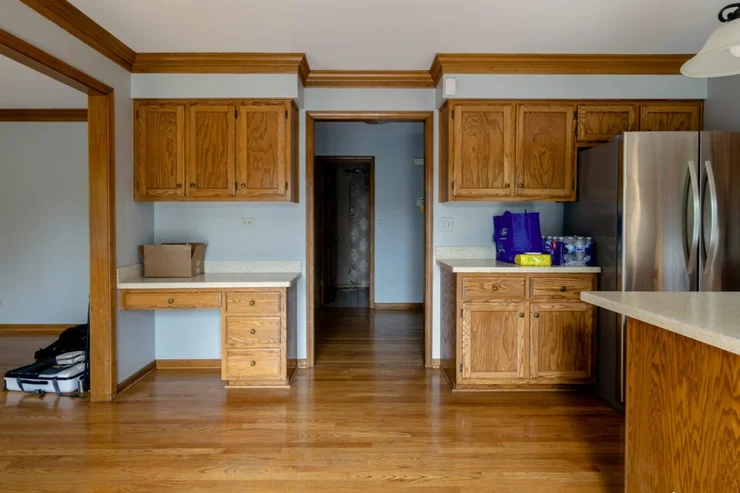
Other homeowners start because the kitchen no longer fits the style or condition of the rest of the home. Surfaces may be worn out. Materials may feel dated. Finishes may have been updated in stages over time without a cohesive plan. In those cases, the kitchen remodel is not only about visual improvement. It is also about bringing the room into better alignment with how the rest of the home is being used and updated.
There are also situations where the kitchen becomes the center of a broader renovation decision. If nearby living spaces are being improved, if the home needs better flow, or if multiple interior updates are being planned together, the kitchen often becomes one of the most important spaces to address. In those cases, a kitchen renovation may need to be planned with a wider view rather than as a stand-alone cosmetic project.
What Our Kitchen Remodeling Service May Include
A kitchen remodeling project can include a wide range of changes depending on the home and the goals behind the work. Some projects stay focused on improving cabinets, counters, surfaces, and finishes. Others include deeper planning around storage, work zones, lighting, appliance placement, and the relationship between the kitchen and surrounding rooms. The right scope depends on what the homeowner is trying to solve, not on a preset formula.
Our service is built around that idea. A better kitchen remodel begins with practical planning, not with assumptions. If the room needs better flow, the project should address flow. If the main issue is lack of storage, storage strategy should shape the plan. If the kitchen feels disconnected from how the home is used, the remodel should help create a stronger connection between function and layout. The value comes from matching the work to the actual needs of the space.
- Cabinet layout updates and more practical storage planning
- Countertop replacement and better work-surface usability
- Backsplash, flooring, and finish coordination
- Lighting improvements for task use and overall comfort
- Sink, fixture, and hardware updates
- Appliance placement planning and workflow improvement
- Island or peninsula adjustments where the layout supports it
- Broader interior coordination when the kitchen is part of a larger renovation
Not every kitchen remodel includes every item. Some kitchens need a sharper, more focused approach. Others benefit from a more complete renovation strategy. The important part is that the project is defined clearly enough for each decision to make sense within the overall plan.
Planning Decisions That Shape a Better Kitchen Remodel
Kitchen remodeling gets more useful when the first conversation is about how the room works rather than about isolated finish choices. Before selecting materials, it helps to understand what the kitchen needs to do better. Is the layout slowing things down? Is there enough prep space? Do storage areas make sense? Are traffic paths awkward when more than one person is in the room? Does the lighting support both work and everyday comfort? These are the kinds of questions that turn a generic kitchen update into a more thoughtful remodeling project.
Material choices matter, but they make more sense once the project direction is defined. The same is true for fixture decisions, surface upgrades, and style preferences. When the kitchen is planned from the standpoint of use first, those later decisions support the project instead of competing with it. That usually leads to a more organized result and a kitchen that feels better long after the visual impact of the remodel becomes familiar.
Another important planning issue is how much change the homeowner really wants. Some kitchens need better organization and a stronger finish package, but not a major shift in layout. Others need a more substantial reset to improve movement, function, and storage. Our approach helps clarify that difference early so the project can move in the right direction from the start.
What Often Matters Most to Homeowners
Most homeowners are looking for a kitchen that feels easier to live with, not just newer to look at. That means a successful remodel usually balances several practical goals at once. It improves usability. It makes the room feel more organized. It supports how meals are prepared, how the household gathers, and how the kitchen connects to daily routine. When those things improve together, the remodel tends to feel more worthwhile.
- Better storage that reduces clutter and improves access
- More comfortable movement through the kitchen
- Stronger task lighting and better visibility where it matters
- More usable prep space and surface area
- Materials that are easier to maintain in daily use
- A layout that supports both cooking and household flow
- A more cohesive look that fits the rest of the home
- A kitchen that feels updated without losing practical value
Those priorities are one reason kitchen remodeling remains one of the most important services on a local remodeling site. It is a high-intent project type, but it is also one where homeowners often need help sorting out the right level of change. A good service page should make that early planning stage easier to understand.
What Affects Kitchen Remodeling Cost
Kitchen remodeling cost depends heavily on scope. That is why budget conversations are most useful when they come after the project has been defined more clearly. A kitchen refresh, a partial remodel, and a more complete kitchen renovation do not involve the same kind of work, and they should not be discussed as if they do.
Several factors tend to shape price. Cabinet scope matters because cabinetry often influences both function and budget more than homeowners expect. Layout changes can also affect cost significantly, especially when they alter how the room is organized or how utilities need to be coordinated. Surface materials, appliance plans, lighting upgrades, finish level, and the condition of the existing kitchen all play a role as well.
This is why a realistic estimate starts with understanding what the homeowner wants the remodel to accomplish. If the goal is mainly visual improvement, the scope may stay more focused. If the goal is to change how the kitchen works, the project may involve broader decisions that influence both planning and cost. Our service frames kitchen remodeling that way so budget guidance is tied to the real project rather than to a generic number that does not reflect the actual work.
Why a Structured Kitchen Remodeling Process Helps
Kitchens are high-use spaces. That means even a relatively focused update affects daily life while the project is underway. It also means planning quality has a direct effect on how well the finished room performs. When layout, storage, lighting, finishes, and appliance coordination are considered together, the result usually feels more complete and easier to use. When those decisions are made in a fragmented way, the remodel may look improved but still leave daily frustrations in place.
That is one reason homeowners often look for a kitchen remodel contractor in Houston who can help make the process easier to understand from the beginning. The project should not feel like a loose set of disconnected upgrades. It should feel like a clearer plan for improving one of the most important rooms in the home. The first step is usually not choosing every detail right away. It is making sure the project is framed correctly, so later decisions have a stronger foundation.
Our process keeps the focus on clarity, function, and practical fit. That helps homeowners understand whether the kitchen needs a focused refresh, a more substantial remodel, or a renovation that ties into broader interior updates elsewhere in the home.
How do I know if I need a full kitchen remodel or a more focused update?
The answer usually depends on what is not working. If the main issues are surfaces and finish wear, a more focused project may be enough. If the layout, storage, lighting, and workflow are all falling short, a fuller kitchen remodel may make more sense.
Can a kitchen remodel improve function without changing everything?
Yes. Some projects improve usability through smarter layout decisions, better storage, and targeted upgrades rather than a complete reworking of the room. The right scope depends on the real goals of the project.
What should I think about before starting a kitchen renovation?
It helps to think about how the kitchen is used every day, what causes the most frustration, what needs to improve first, and whether the room is part of a broader home renovation plan. Those answers make the next step more productive.
Start With a Clearer Kitchen Remodeling Plan
A better kitchen remodel starts with understanding what the room needs to do better. Once the scope is clearer, decisions around layout, storage, finishes, and budget become more useful. Whether the project is a focused kitchen update or a more complete kitchen renovation in Houston, the value of the first step is simple: better project clarity, more practical planning, and a kitchen that can work more effectively for everyday life.
If you are exploring kitchen remodeling Houston homeowners often need because the room no longer fits the way the home is used, request an estimate or talk through your project to get a clearer next step.